Constitution Discoveries Home

Category

Constitutional Interpretation

21 articles

The Consent Gap: Treaty Power, Executive Agreements, and the 2026 Test

The Consent Gap: Treaty Power, Executive Agreements, and the 2026 Test

As Washington relies more heavily on executive agreements, the Senate's two-thirds treaty role is being tested in practice rather than by amendment. The constitutional question is not whether such agreements exist, but where the line between commitment and consent should fall.
When the Checkbook Meets the Charter: Section 4 and the 2026 Debt-Limit Standoff

When the Checkbook Meets the Charter: Section 4 and the 2026 Debt-Limit Standoff

The Fourteenth Amendment's Public Debt Clause is often described as a constitutional escape hatch, but its text, history, and enforcement mechanism are far less settled than the slogan suggests. As the 2026 debt-limit debate unfolds, this guide explains what Section 4 says, what it might forbid, and why courts have never had the final word.

No Prize to Condemn: Why the Marque and Reprisal Clause Cannot Be Retooled for Cyberspace

No Prize to Condemn: Why the Marque and Reprisal Clause Cannot Be Retooled for Cyberspace

Article I's letters of marque clause has been dormant since the War of 1812, but it keeps returning in proposals to license private hackers as cyber privateers. Read closely, the clause reveals why the analogy fails: the Framers authorized private force only inside a legal architecture of captures, prize courts, and accountable boundaries that has no digital counterpart.

The Executive Eraser: Does Article II Permit a President to Pardon Himself?

The Executive Eraser: Does Article II Permit a President to Pardon Himself?

The pardon power is one of the few in Article II that reads almost like a blank check. Whether it bends far enough to cover the person who holds it has never been settled by a court—and the answer depends less on grammar than on a question of constitutional design: who checks whom, and what remains when the check is removed.

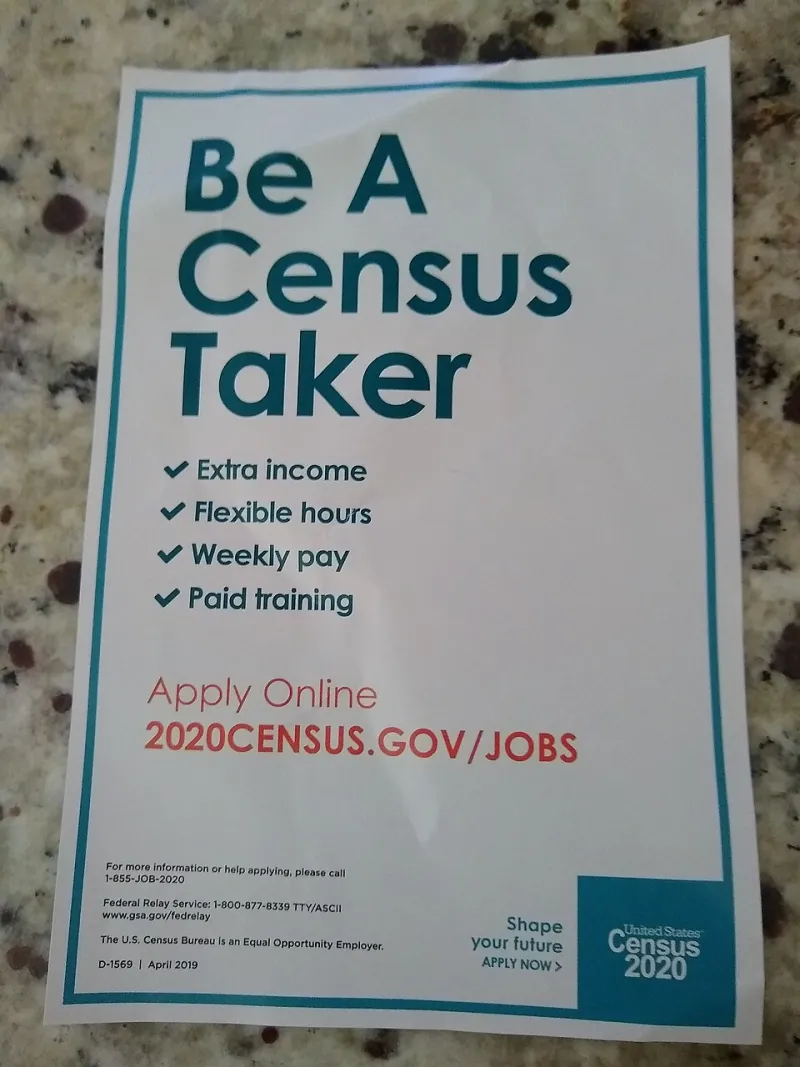
Who Gets Counted? The Constitutional Stakes of the 2030 Census

Who Gets Counted? The Constitutional Stakes of the 2030 Census

The Constitution mentions enumeration only briefly, but that brevity has not kept the census out of court. As the 2030 count approaches, old fights over citizenship questions, statistical methods, and privacy are returning—and each one is a debate about Article I.

The Rulebook Clause: Article I, Section 4 After the 2026 Midterms

The Rulebook Clause: Article I, Section 4 After the 2026 Midterms

Article I, Section 4 rarely dominates civics class, but its Elections Clause frames the redistricting and election-rule fights that shaped the 2026 midterms. This guide traces the clause from its founding text through Moore v. Harper and explains what state legislatures, Congress, and courts may still do.

The Gavel Is the Trigger: Recess Appointments and the Senate Calendar in 2026

The Gavel Is the Trigger: Recess Appointments and the Senate Calendar in 2026

The Recess Appointments Clause sounds like a relic until a Senate calendar jam turns a routine vacancy into a constitutional fight. This guide explains what NLRB v. Noel Canning actually requires, how pro forma sessions work, and why a single gavel can decide whether a president may act alone.

A Republic, If Courts Will Say It: The Guarantee Clause's Unfinished Revival

A Republic, If Courts Will Say It: The Guarantee Clause's Unfinished Revival

Article IV promises every state a republican form of government, but the Supreme Court has long treated enforcement as a political question. As 2026 disputes over ballot measures, redistricting, and election administration intensify, litigants are testing whether the clause can be more than a constitutional echo.

The Progress Clause Meets the Prompt: Copyright, AI, and the Search for an Author

The Progress Clause Meets the Prompt: Copyright, AI, and the Search for an Author

Article I's copyright power rests on a bargain: exclusive rights for limited times, in exchange for promoting knowledge. As generative AI produces text and images at scale, 2026's litigation is testing whether that bargain can accommodate machines that learn from everything and authors who may be anyone—or no one.

Plain Words, Hard Cases: Five Constitutional Phrases That Reward a Second Look

Plain Words, Hard Cases: Five Constitutional Phrases That Reward a Second Look

The Constitution often sounds refreshingly plain: short clauses, ordinary words, and broad principles. Yet phrases such as necessary and proper, due process, and equal protection have generated generations of litigation. In 2026, these five phrases remain sites of intense argument over what the Constitution means and who gets to decide.